Cessna Nose Gear Strut Assembly: Aircraft Landing Gear Support and Shock Absorption
Cessna Nose Gear Strut Assembly: Aircraft Landing Gear Support and Shock Absorption
Blog Article
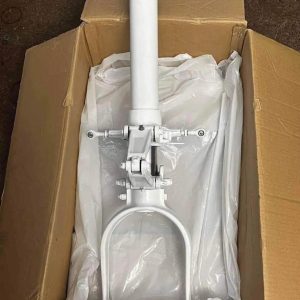
The Cessna Nose Gear Strut Assembly may serve as a replacement, overhaul, restoration, maintenance, or spare-inventory component when its exact part number, configuration, condition, and applicability are confirmed.
A Cessna Nose Landing Gear Strut may form part of a broader Cessna Nose Gear Assembly, while the phrase Cessna Landing Gear Strut can describe different positions or configurations depending on the aircraft model.
The Cessna Front Landing Gear Assembly, Aircraft Nose Gear Strut, Aircraft Nose Landing Gear Assembly, and Cessna Shock Strut Assembly terms describe related ground-support and impact-management components.
The Cessna Nose Gear Shock Absorber, Cessna Landing Gear Assembly, Aircraft Landing Gear Strut, and Cessna Nose Wheel Strut phrases highlight the component’s role in supporting loads and controlling ground impacts.
General Aviation Landing Gear Parts listings click here should provide exact identification, condition, measurements, records, and included components for professional evaluation.
Why Exact Landing Gear Identification Matters
Complete identification gives technicians the information needed to evaluate suitability.
Missing components can significantly affect total project cost and installation planning.
Structural Support and Aircraft Load Management
The strut must manage those loads without excessive looseness, binding, deformation, leakage, or structural distress.
Inspection should extend beyond the removable assembly to the mounting areas, firewall or support structure, brackets, steering components, wheel fork, and surrounding fasteners where applicable.
Maintaining Controlled Compression
A strut that appears fully extended may still contain internal wear, incorrect pressure, or unsuitable fluid quantity.
Excessive compression, insufficient extension, rapid rebound, leakage, sticking, or uneven movement can indicate servicing, seal, internal-surface, alignment, or load concerns.
Evaluating Ground Steering Geometry
Loose steering components can contribute to poor directional response, uneven tire wear, shimmy, and unpredictable ground handling.
Excessive turning can damage linkage, hoses, fairings, fork components, or internal strut features depending on the design.
Matching the Strut to a Specific Cessna Aircraft
The buyer should compare the offered unit with current illustrated-parts, maintenance, and installation information.
Supplemental modifications, replacement forks, wheel conversions, tire changes, steering alterations, and airframe repairs can affect compatibility.
Protecting Smooth Strut Operation
The strut cylinder and piston surfaces should be examined for scoring, corrosion, pitting, scratches, impact marks, discoloration, and evidence of improper tool use.
The piston should move through the permitted range without binding, roughness, excessive side play, or abnormal resistance.
Evaluating Hydraulic Fluid Loss
Fluid leakage around the piston, seals, fittings, plugs, or servicing points can indicate deteriorated seals, damaged surfaces, loose components, contamination, or incorrect assembly.
Seal replacement should use components appropriate to the exact strut assembly and aircraft configuration.
Evaluating Coastal and Outdoor Storage Damage
Corrosion may develop on external surfaces, inside bores, around fasteners, beneath paint, near mounting points, or within neglected fluid areas.
Responsible preservation helps maintain the Cessna Nose Gear Assembly.
Checking for Hard-Landing or Towing Damage
High-stress areas can include attachment points, fork transitions, axle regions, steering features, torque-link mounts, and previous repair locations.
Transparent impact history supports informed Cessna Front Landing Gear Assembly purchasing.
Wheel Fork, Axle, and Nose Wheel Components
Fork alignment influences wheel tracking, steering response, tire wear, and clearance around fairings or nearby components.
Professional assembly supports dependable Cessna Nose Wheel Strut performance.
Maintaining Strut Alignment
Torque links and related pivot components help maintain alignment between moving portions of many nose gear strut designs.
Improperly installed bushings, unsuitable bolts, missing washers, or altered holes can affect steering and strut movement.
Diagnosing Cessna Nose Gear Handling Concerns
Nose-wheel shimmy can result from worn bushings, loose torque links, tire imbalance, wheel-bearing play, incorrect tire pressure, steering looseness, alignment issues, or structural wear.
Measurements and operational checks should support the maintenance decision.
Understanding Strut Inflation Procedures
Qualified maintenance supports predictable Cessna Shock Strut Assembly operation.
Repeated pressure loss should prompt leak investigation rather than continual inflation.
Overhaul and Reconditioning Considerations
Parts replaced, measurements taken, defects found, and repairs completed should be documented.
A professionally overhauled unit should remain connected with the correct part and serial information.
Aircraft Nose Gear Buying Guide
The seller should provide photographs of every side, including the cylinder, piston, fork, axle, torque links, steering features, mounts, hardware, identification markings, and damaged areas.
- Confirm the complete Cessna part number, dash number, serial or casting markings, aircraft model, serial-range applicability, strut type, dimensions, and configuration.
- Inspect or document corrosion, cracks, bends, scoring, pitting, leakage, chrome damage, worn bushings, loose pivots, elongated holes, damaged threads, fork alignment, and previous repairs.
- Retain purchase records, photographs, measurements, inspection reports, maintenance documents, release paperwork, and freight records with the aircraft project file.
Preventing Damage to the Piston and Fork
Professional packaging helps preserve the condition of the Aircraft Nose Gear Strut.
Forks and mounting features should not be used as uncontrolled lifting points unless approved for handling.
Preparing a Stored Assembly for Service
The piston surface should remain covered without using materials that promote corrosion or seal deterioration.
Identification records, inspection tags, hardware, seals, and supporting documents should remain associated with the correct assembly.
Completing Wheel and Strut Alignment
Professional installation protects the aircraft and Cessna Nose Gear Strut Assembly.
Hoses, wiring, fairings, controls, and nearby components should maintain suitable clearance through the steering and compression ranges.
Authorized personnel should complete applicable maintenance records and return-to-service actions.
Routine Inspection and Preventive Maintenance
Lubrication and servicing should follow the applicable maintenance schedule.
Pilots and operators should report steering changes, unusual compression, leakage, vibration, or tire wear promptly.
Choosing a Documented Aviation Component
A recent professional inspection or overhaul can add value when the scope, findings, measurements, and replaced parts are documented accurately.
Buyers should compare complete and documented packages rather than price alone.
Cessna Nose Gear Assembly Conclusion
The Cessna Nose Gear Strut Assembly offers stronger commercial value when its part number, removal history, inspection status, overhaul records, included hardware, and documentation are described accurately.
Buyers should request current photographs, accurate measurements, transparent condition information, professional inspection details, protected freight arrangements, secure transaction terms, and qualified maintenance review.
Whether the assembly is purchased for maintenance, overhaul, restoration, spare inventory, resale, or an aircraft project, transparent information and qualified oversight provide the strongest foundation.
With complete evaluation and continued care, the Cessna Nose Gear Strut Assembly can deliver a professional combination of structural support, shock absorption, steering stability, replacement value, and general aviation application potential.
Report this page